 Crown Shrine
Oranges and Lemons
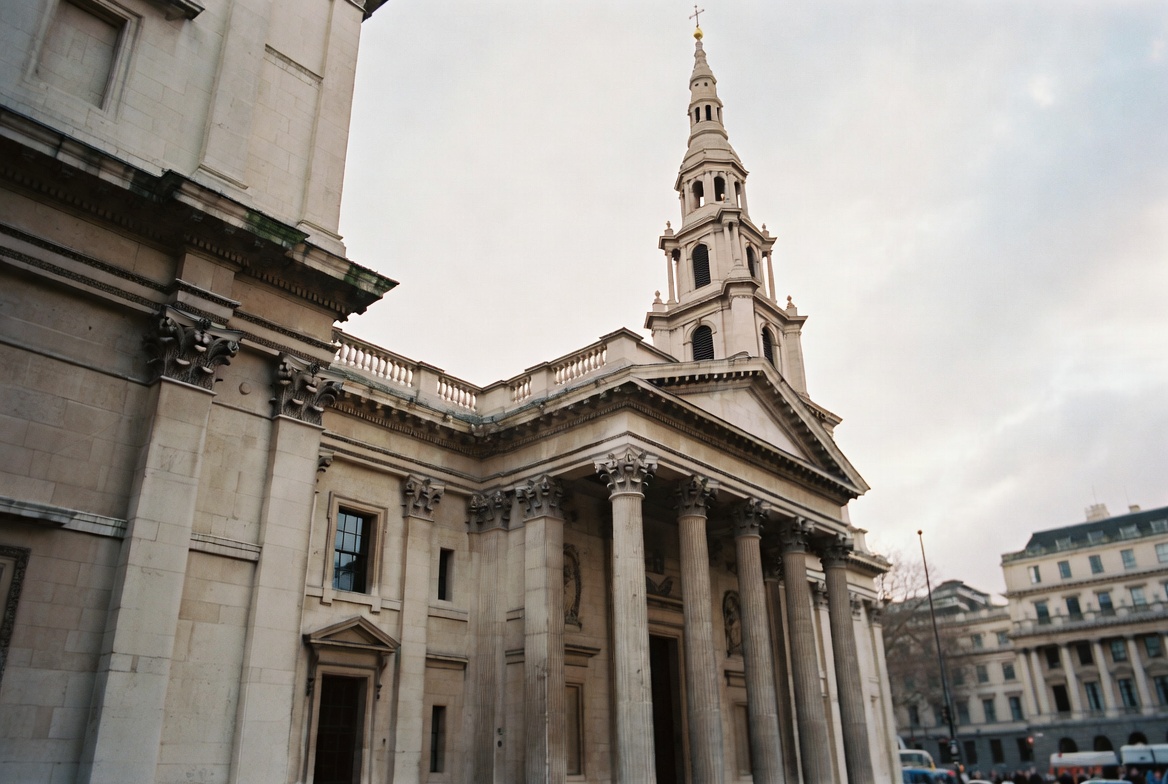
The bells of St Clement's are name-checked in the famous London nursery rhyme — although St Clement Eastcheap, in the City, also lays claim. Wren's church on the Strand is the larger and finer of the two, raised in 1682 on the site of an earlier medieval church reputedly founded by Danes living in London under the Saxons.
Bombed and reborn
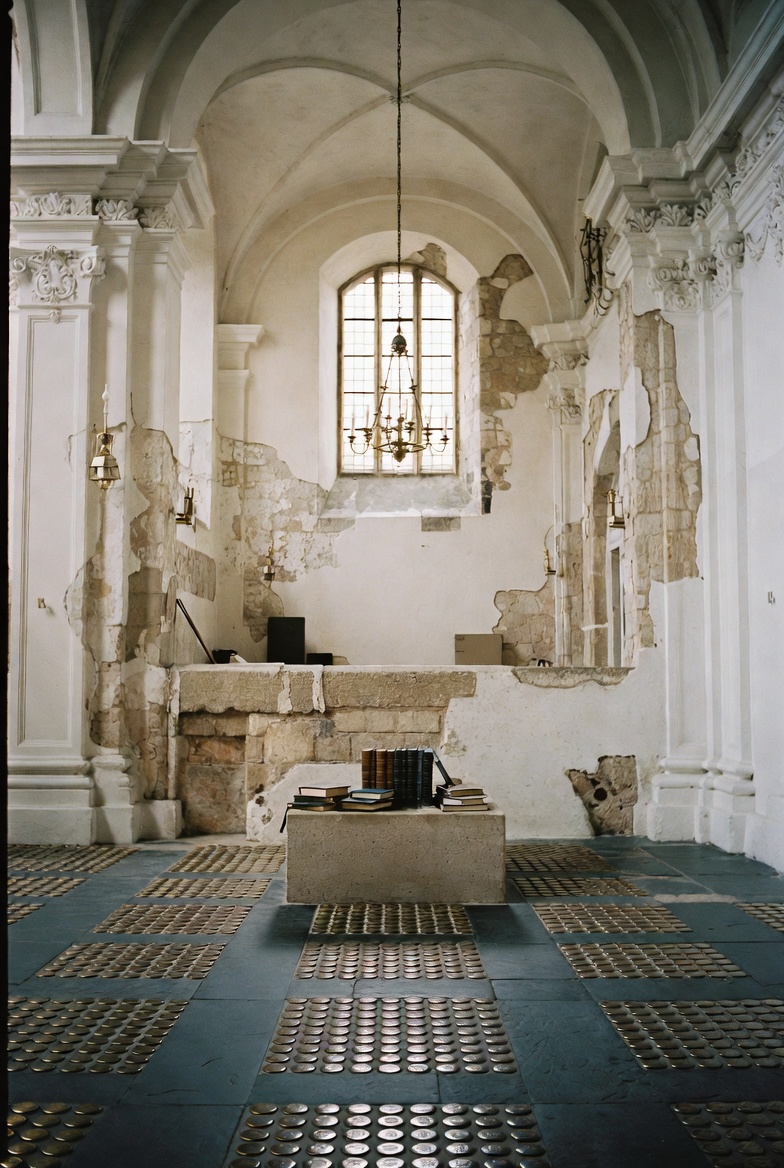
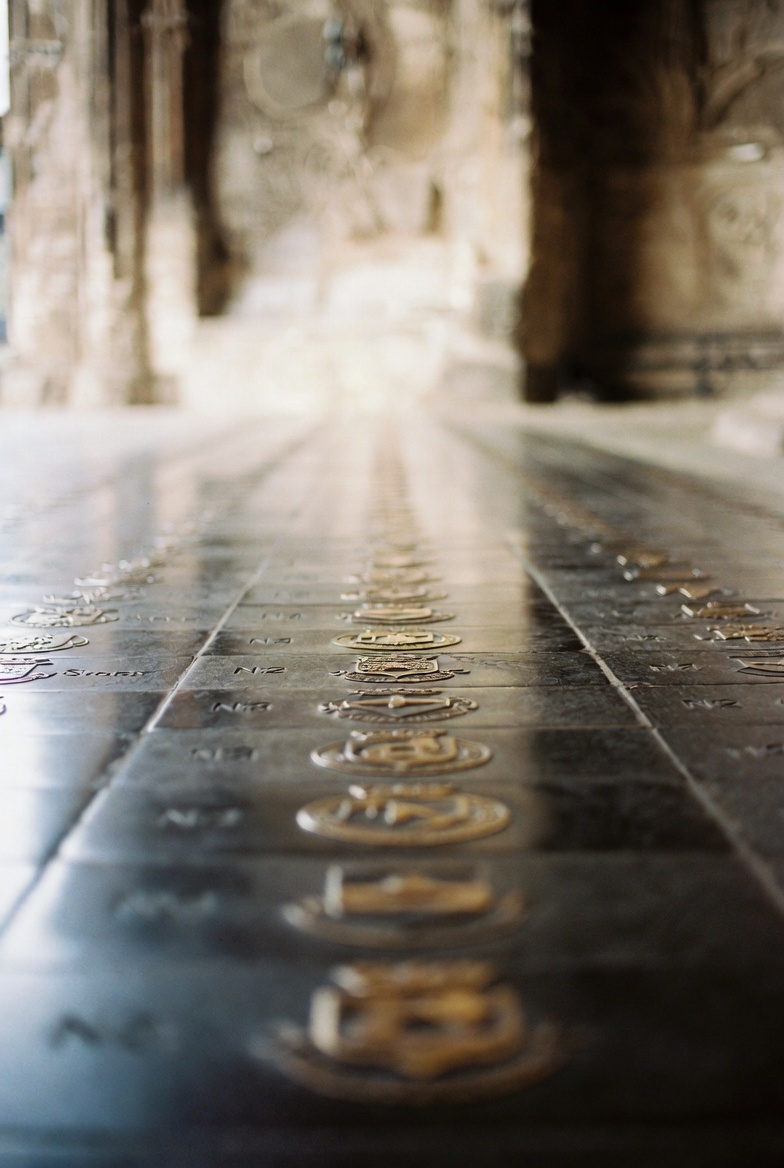
Like many City churches, St Clement Danes was almost destroyed by incendiary bombs in 1941. Only the walls and Wren's steeple — itself the work of his pupil James Gibbs, who added the upper stages in 1719 — survived. After the war the church was rebuilt with funds raised across the RAF and the Commonwealth air forces, and rededicated in 1958 as the Central Church of the Royal Air Force. The slate floor is inlaid with more than 700 squadron and unit badges, and the books of remembrance record by name more than 150,000 men and women of the Allied air services killed on operations.
What to see
- The slate floor with its squadron badges.
- The books of remembrance for the RAF and Allied air forces.
- The bells, restored to play "Oranges and Lemons" four times a day.
- Memorials to Air Marshal Lord Dowding and Sir Arthur Harris in the churchyard.
Visiting
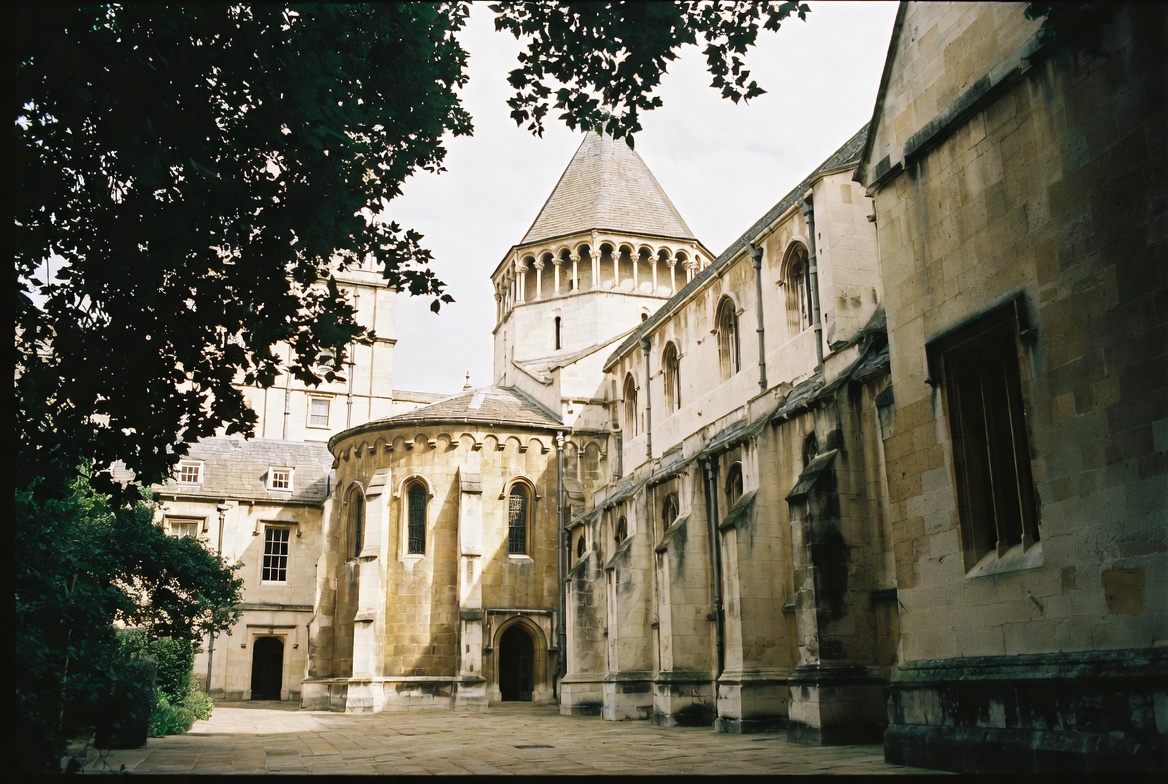
Free entry every day. The church is in active use and may be closed for memorial services without notice — check ahead. Combine with a walk down the Strand to Trafalgar Square, or eastwards to the Inns of Court and Temple Church.